

Defense #1: Projection
Projection is one of the most common ways the ego and psyche protect themselves. Simply put, it is the process of taking a feeling, trait, bias, or impulse that feels threatening and locating it outside ourselves—in another person, or even in an institution. What feels unacceptable within us is made temporarily safer by being treated as belonging to someone else.

Understanding Psychological Defenses
In this series of blogs, we will explore each defense in depth—examining its possible origins, how it tends to show up in everyday life, and the ways it can become limiting or “immature.” Some defenses, however, are adaptive and useful. Throughout the series, we will discuss how therapy can help loosen the grip of the more restrictive defenses while thoughtfully integrating the healthier, more mature ones, so that more of your whole self can be present and navigate social and relational realities with greater flexibility and effectiveness.

What Trauma Looks Like in Everyday Life and Relationships
Trauma’s effects often extend far beyond dramatic flashbacks or acute crises. It can quietly shape daily routines, emotional experiences, and intimate connections in subtle yet profound ways. Building on our series exploring trauma’s definition, brain science, treatment history, and insights from The Body Keeps the Score, this final article examines how unresolved trauma commonly appears in ordinary moments and relationships
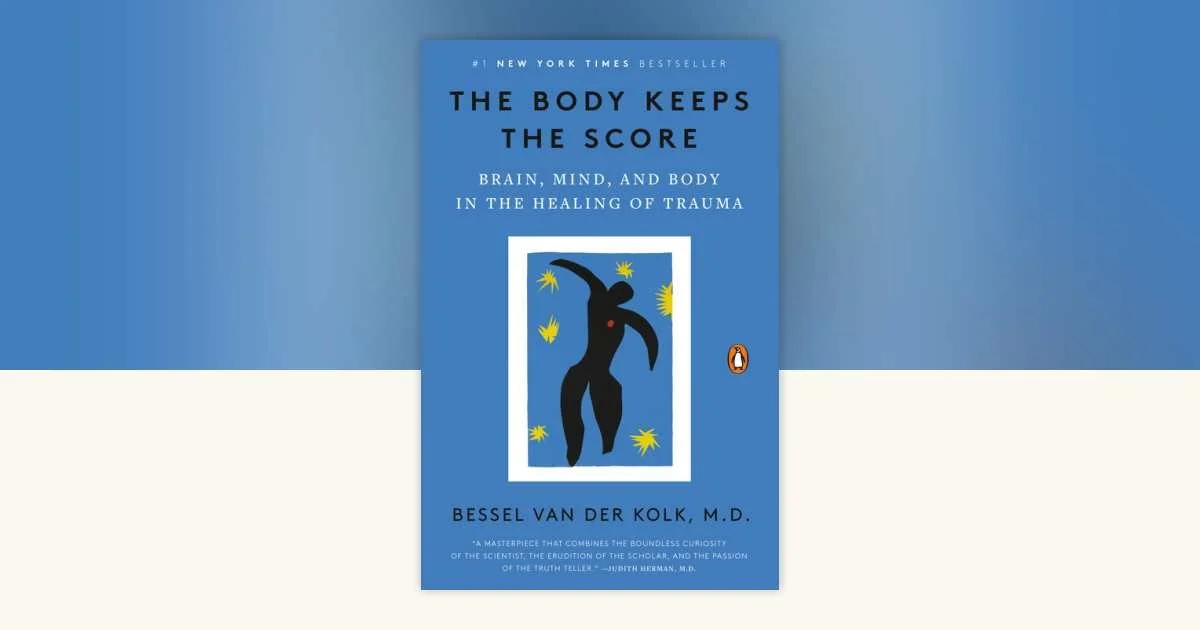
The Body Keeps the Score: Groundbreaking Insights into Trauma, the Brain, and Healing
Few books have shaped modern understanding of trauma as profoundly as The Body Keeps the Score: Brain, Mind, and Body in the Healing of Trauma by Bessel van der Kolk, MD. Published in 2014, it remains a New York Times bestseller years later, selling millions of copies and influencing clinicians, survivors, and the public alike. Building on our earlier discussions of trauma’s nature, its effects on the brain, and the evolution of treatment, this article explores the book’s core ideas, groundbreaking research, and enduring relevance

The Evolution of Trauma Treatment: From Past Understanding to Today’s Most Effective Approaches
At Forma Counseling, we draw from this rich history and the latest advances. Our trauma-informed practice blends TIST principles, somatic awareness, and evidence-based tools in a safe, collaborative space tailored to your unique needs.
Healing from trauma is a journey of reclaiming safety, connection, and agency. Whether your experiences are recent or rooted in the past, effective help is available.
The Brain Science Behind Trauma: How Experiences Rewire Our Nervous System
Trauma doesn’t just live in our memories—it fundamentally changes the brain. Modern neuroscience reveals that traumatic experiences can alter brain structure, function, and connectivity, often leaving the nervous system in a prolonged state of high alert long after the danger has passed. Building on our previous exploration of what trauma is, this article dives into the neurobiology that explains why trauma feels so persistent and how healing can help restore balance.

Understanding Trauma: Insights from the Latest Research and Leading Experts
At Forma Counseling, we provide a depth-oriented, trauma-informed space for individuals navigating these challenges. Our integrative approach honors your unique story, blending evidence-based tools with compassionate presence to support lasting healing and a more authentic life.
If trauma’s legacy weighs on you, know that help is available. Reaching out is a powerful first step toward reclaiming safety, connection, and vitality.
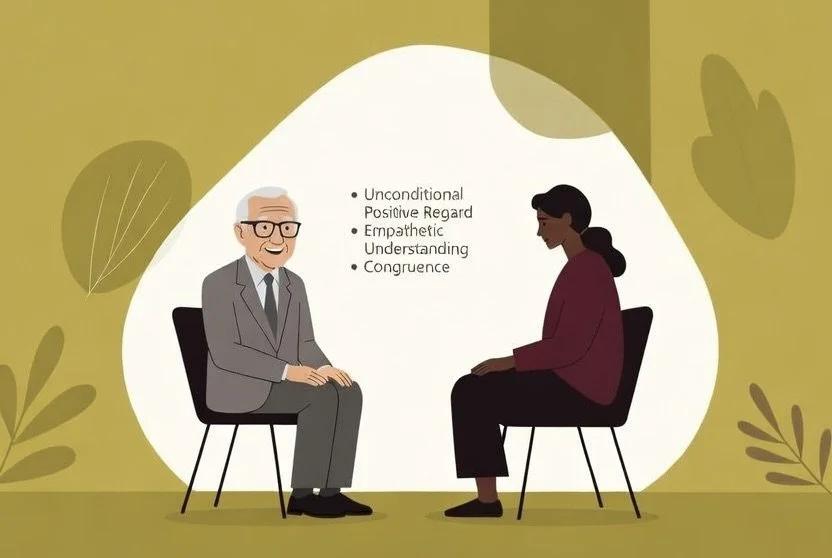
Humanistic Therapy: A Gentle, Powerful Path to Becoming More Fully Yourself
At Forma, we continue to hold person-centered therapy at the heart of our practice. While structured methods excel at symptom relief, Rogers’ approach invites something more: the discovery of who you really are. Congruence—when what you think, feel, say, and do finally aligns—opens the door to a deeply meaningful and satisfying life. That is our mission: not just to ease distress, but to help you live more authentically and purposefully.

Navigating the Fear of AI: Finding Purpose and Direction Amid Uncertainty
Fear of AI often stems from a sense of loss—loss of control, stability, and especially certainty. Psychologically, it's akin to the "existential vacuum" Viktor Frankl described: a void where purpose feels eroded. In therapy, we address this by first acknowledging the validity of these emotions. Suppressing fear only amplifies it; instead, we encourage clients to name it. Ask yourself: What specifically scares me? Is it job loss, or the underlying worry that my contributions won't matter? Is it that I lost my original purpose to pursue my career? This self-inquiry, rooted in existential therapy, transforms vague dread into actionable insight.

Harnessing Attachment Theory in Psychotherapy: A Path to Deeper Healing
At Forma Counseling, we understand and use attachment principles into our psychotherapy practices. Cultivating a deeper understanding of attachment styles and trauma greatly help to navigate anxiety, depression, trauma, and relational challenges. By drawing on these insights, our therapists foster transformative growth, promoting secure attachments that enhance resilience and fulfillment.

What Is Psychodynamic Psychotherapy—and Why It Still Matters Today
Contemporary psychodynamic therapy is not about lying on a couch or endlessly analyzing childhood memories. Instead, it is an active, relational process that helps people notice patterns in their thoughts, emotions, and relationships—especially the ones that feel stuck or painful.

A New Year’s Reset: Reclaiming Your Attention, Deepening Your Work, and Crafting Your Personal Philosophy
As the calendar turns to 2026, many of us feel the familiar pull: resolutions, fresh starts, the promise of a “better” year. At Forma Counseling, we believe the most lasting change doesn’t come from willpower alone—it comes from deeper work. This year, we invite you to a different kind of reset: one that restores your attention, invites meaningful depth, and helps you articulate the personal philosophy that will guide your life.

I’ve Got Anxiety – Should I Go for Quick Tools and CBT, or Dive into the Deeper Stuff?
At Forma Counseling, one of the questions we hear most often is some version of this: “I know I have anxiety, and I need it to calm down… but do I just learn some breathing tricks and CBT worksheets, or do I need to dig into my childhood, my attachment wounds, my ‘deeper issues’?”
The short answer: it depends on what kind of anxiety you have and what kind of life you want on the other side of therapy.

What Is Existential Therapy? Understanding a Path Toward Meaningful Change
Existential therapy is a depth-oriented approach that invites clients to explore the fundamental questions of being human: Who am I? What matters to me? How do I live a meaningful life in the face of uncertainty, freedom, and responsibility? While these questions can sound philosophical, they are deeply practical. They shape how we make decisions, respond to challenges, and understand ourselves in the world.