
Understanding Trauma: Insights from the Latest Research and Leading Experts
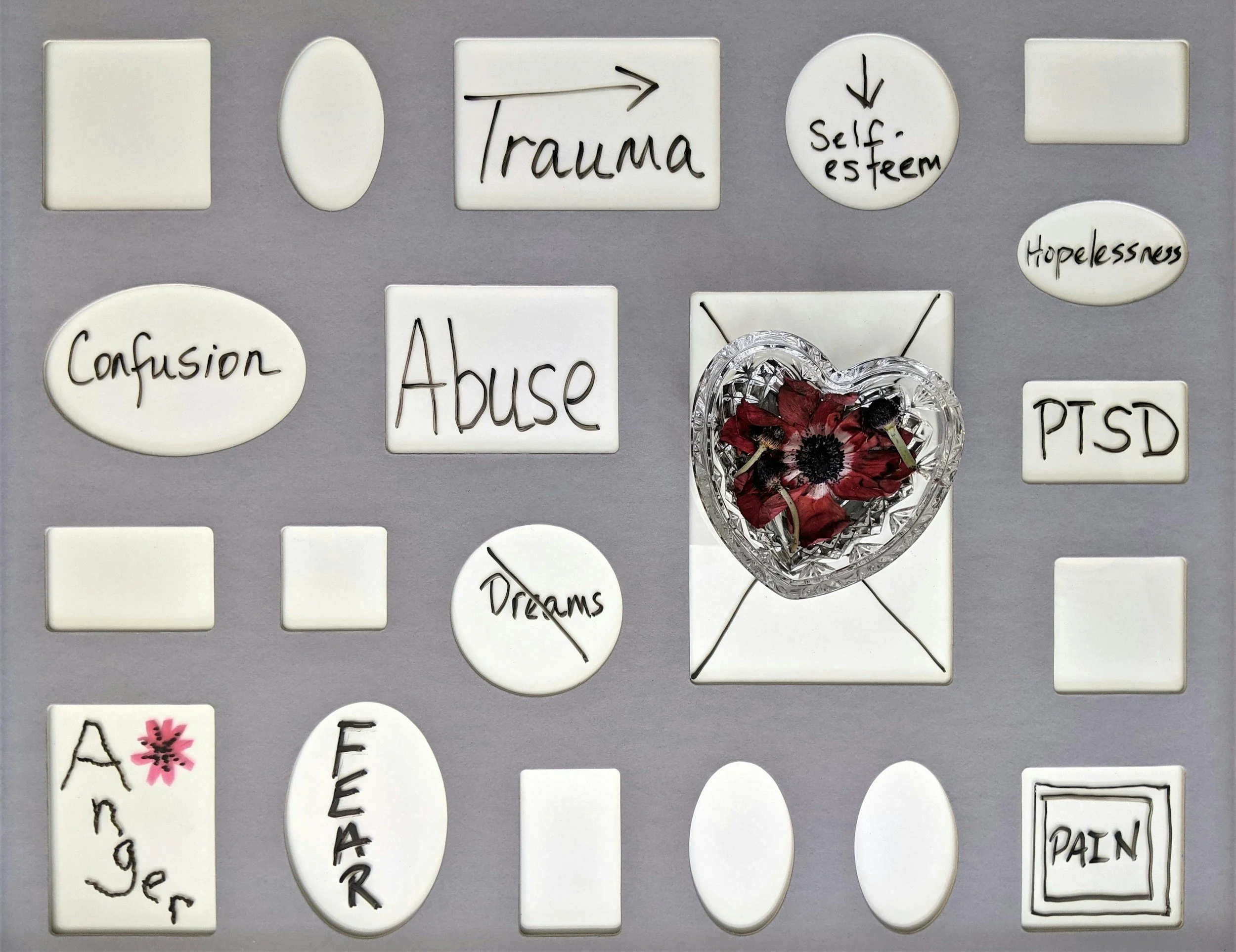
Trauma
Trauma is far more than a difficult experience—it is an event, series of events, or set of circumstances experienced as physically or emotionally harmful or life-threatening, with lasting adverse effects on an individual’s functioning and well-being.
According to the Substance Abuse and Mental Health Services Administration (SAMHSA), trauma encompasses the Three E’s: the Event(s), the individual’s Experience of them, and the lasting Effects.
This definition highlights trauma’s subjective nature. Not everyone who faces the same event develops long-term issues; perception, prior experiences, support systems, and biology all play roles. The American Psychological Association describes trauma as a disturbing experience causing significant fear, helplessness, dissociation, or confusion intense enough for long-lasting negative impacts on attitudes, behavior, and functioning.
“Untreated trauma correlates with higher risks of PTSD, complex PTSD, depression, anxiety, substance use, and physical health issues. Complex trauma, from prolonged interpersonal harm, often leads to difficulties with emotion regulation, relationships, and self-worth.”
The Evolving Consensus on Trauma
Recent research and expert consensus emphasize trauma’s broad impact on brain, body, and mind. A 2026 Nature Reviews Psychology piece notes that while a single scientific consensus on “trauma” remains elusive, there is growing agreement on its emotional, contextual, and cognitive dimensions.
DSM-5 defines qualifying traumatic events as exposure to actual or threatened death, serious injury, or sexual violence (directly experienced, witnessed, or learned about regarding a close other). However, clinicians increasingly recognize broader experiences—like chronic childhood adversity, relational betrayal, or systemic oppression—as traumatic when they overwhelm coping capacity and alter one’s sense of safety and self.
Neurobiological understanding has advanced significantly. Trauma disrupts the brain’s stress response systems, particularly the amygdala, hippocampus, and prefrontal cortex. It keeps the body in a heightened state of alertness, leading to symptoms like hypervigilance, emotional numbing, flashbacks, and dissociation. Bessel van der Kolk’s influential work, The Body Keeps the Score, underscores how trauma is stored somatically— in the nervous system and body—often beyond verbal recall.
Peter Levine, developer of Somatic Experiencing, emphasizes trauma as incomplete physiological responses (fight, flight, freeze) that get “stuck,” and healing involves safely completing these responses. Judith Herman’s foundational stages of trauma recovery—safety, remembrance and mourning, and reconnection—remain central to trauma-informed care.
Janina Fisher’s Key Insights
Janina Fisher, a leading trauma expert and creator of Trauma-Informed Stabilization Treatment (TIST), offers a compassionate, parts-based approach informed by neuroscience, attachment theory, and sensorimotor psychotherapy. She trained with van der Kolk and Pat Ogden and stresses that trauma fragments the self into “parts” that carry different survival strategies.
Fisher views trauma symptoms not as pathology but as adaptive responses. The body and mind continue reacting as if danger persists long after events end. Animal defenses—fight, flight, freeze, submit, or cry for help—become ingrained. Shame, self-alienation, and dissociation often dominate complex trauma, especially from childhood relational wounds.
Her model prioritizes stabilization and safety before processing memories. Rather than rushing into narrative retelling, Fisher advocates working with “parts” (drawing from Internal Family Systems) to foster internal collaboration and earned secure attachment. Mindfulness and somatic awareness help clients regulate and integrate fragmented experiences without overwhelm.
Fisher’s work highlights that healing involves overcoming self-alienation—reconnecting with disowned parts—and transforming the “living legacy” of trauma into wisdom and resilience.
Trauma’s Lasting Effects and Paths to Healing
Untreated trauma correlates with higher risks of PTSD, complex PTSD, depression, anxiety, substance use, and physical health issues. Complex trauma, from prolonged interpersonal harm, often leads to difficulties with emotion regulation, relationships, and self-worth.
The latest consensus in trauma-informed care shifts from “What’s wrong with you?” to “What happened to you?” It promotes environments that avoid re-traumatization through safety, trustworthiness, collaboration, empowerment, and cultural humility.
Effective treatments integrate:
Somatic approaches (Levine, Ogden, Fisher)
EMDR
Parts work (Fisher, Schwartz)
Relational and attachment-focused therapy (Herman)
Recovery is possible. Many survivors achieve post-traumatic growth, developing deeper meaning, stronger relationships, and greater appreciation for life.
At Forma Counseling, we provide a depth-oriented, trauma-informed space for individuals navigating these challenges. Our integrative approach honors your unique story, blending evidence-based tools with compassionate presence to support lasting healing and a more authentic life.
If trauma’s legacy weighs on you, know that help is available. Reaching out is a powerful first step toward reclaiming safety, connection, and vitality.
