
The Body Keeps the Score: Groundbreaking Insights into Trauma, the Brain, and Healing
An Overview of Bessel van der Kolk’s Transformative Book
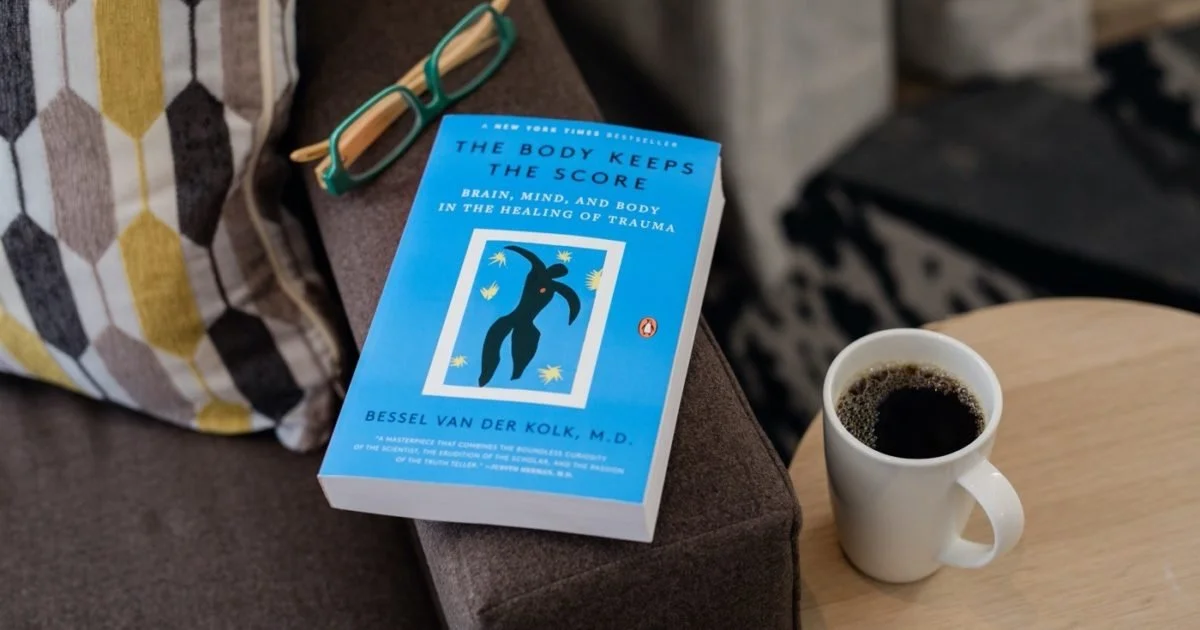
Few books have shaped modern understanding of trauma as profoundly as The Body Keeps the Score: Brain, Mind, and Body in the Healing of Trauma by Bessel van der Kolk, MD. Published in 2014, it remains a New York Times bestseller years later, selling millions of copies and influencing clinicians, survivors, and the public alike. Building on our earlier discussions of trauma’s nature, its effects on the brain, and the evolution of treatment, this article explores the book’s core ideas, groundbreaking research, and enduring relevance
“Judith Herman’s groundbreaking 1992 book Trauma and Recovery outlined a phased approach—safety, remembrance and mourning, reconnection—that remains foundational. Bessel van der Kolk’s work and the rise of somatic therapies in the 1990s–2000s emphasized the body’s role. The 2000s saw trauma-informed care emerge as a systems-level framework (Harris & Fallot, 2001), shifting focus from “What’s wrong with you?” to “What happened to you?””
Overview of the Book
Van der Kolk, a pioneering psychiatrist with decades of experience researching traumatic stress, weaves together neuroscience, clinical stories, and practical wisdom. The book is structured in sections that move from rediscovering trauma, through its impact on the brain and body, to pathways for recovery.
At its heart is a simple yet revolutionary idea: trauma is not just an event from the past—it is the imprint left on mind, brain, and body that continues to shape how we experience the present. When people cannot fully process overwhelming experiences (whether combat, abuse, accidents, or chronic neglect), the body “keeps the score” through physiological imprints—hypervigilance, dissociation, chronic pain, emotional numbness, and more.
The author draws on the Adverse Childhood Experiences (ACEs) study and his own work to show how early trauma rewires development, increasing risks for mental and physical illness. He argues that child abuse and neglect represent one of the most preventable public health crises, linking it to addiction, depression, heart disease, and more.
Groundbreaking Research and Key Insights
Van der Kolk’s work highlights several paradigm-shifting concepts:
Trauma Lives in the Body: Traditional talk therapy often falls short because trauma disrupts the brain’s ability to process experiences verbally. During overwhelming events, the rational prefrontal cortex goes “offline,” while the emotional and survival centers (amygdala, brainstem) take over. The body stores these unprocessed responses as implicit memories—sensations, postures, and physiological states that persist long after the danger ends.
Neurobiological Changes: The book details how trauma affects key brain regions. The amygdala becomes hyperactive (constant alarm), the hippocampus struggles with contextual memory (flashbacks feel current), and the prefrontal cortex weakens in its regulatory role. Stress hormones like cortisol wreak havoc on the immune and endocrine systems, explaining the high rates of autoimmune issues and chronic illness in trauma survivors.
Survival Responses and Fragmentation: Drawing from evolutionary biology and attachment theory, van der Kolk explains fight, flight, freeze, and collapse responses. When action is impossible, immobilization and dissociation become default. This fragmentation affects relationships, self-perception, and the ability to feel safe in one’s own body.
Beyond PTSD: The book advocates recognizing complex trauma, especially developmental trauma from childhood, which often manifests differently than single-incident PTSD and requires broader approaches.
These insights shifted the field toward viewing trauma as a whole-person experience rather than purely psychological.
Pathways to Healing
Van der Kolk emphasizes that healing must engage the body to update outdated survival templates. He explores evidence for:
Top-down approaches: Talking therapies and mindfulness to rebuild understanding and regulation.
Bottom-up approaches: Body-oriented methods like yoga, sensorimotor therapy, and breathing to release stored tension.
Emotional and relational methods: Theater, EMDR, neurofeedback, and safe relationships that foster reconnection.
He highlights yoga’s effectiveness for PTSD and the promise of emerging tools like MDMA-assisted therapy (in which he has been involved in research). The goal is not erasure of memories but restoring safety, agency, and connection.
Enduring Impact and Relevance Today
The Body Keeps the Score helped popularize trauma-informed care and somatic approaches, influencing Janina Fisher’s TIST and many integrative practices. While some 2025 reviews question the strength of evidence for certain claims about permanent brain changes or the superiority of body therapies, the book’s core message—that trauma is treatable through holistic, compassionate methods—remains powerfully validated by ongoing research and clinical success.
At Forma Counseling, we integrate many of these insights. Our trauma-informed work honors how the body keeps the score while supporting rewiring through stabilization, somatic awareness, parts work, and evidence-based tools tailored to your needs.
If trauma’s legacy feels heavy, van der Kolk’s message offers hope: your brain and body have remarkable capacity for recovery when given safety, understanding, and the right support. Healing is possible—one step, one breath, one connection at a time.
References and further reading available upon request. This article is educational and not a substitute for therapy. Consult a qualified professional for personalized care.
Ready to explore how these principles can support your journey? Contact Forma Counseling today.
